What do you want to know?
Get intelligent answers from QJ
Get intelligent answers from QJ. Featuring frontier capabilities in conversation, coding, reasoning, and voice.
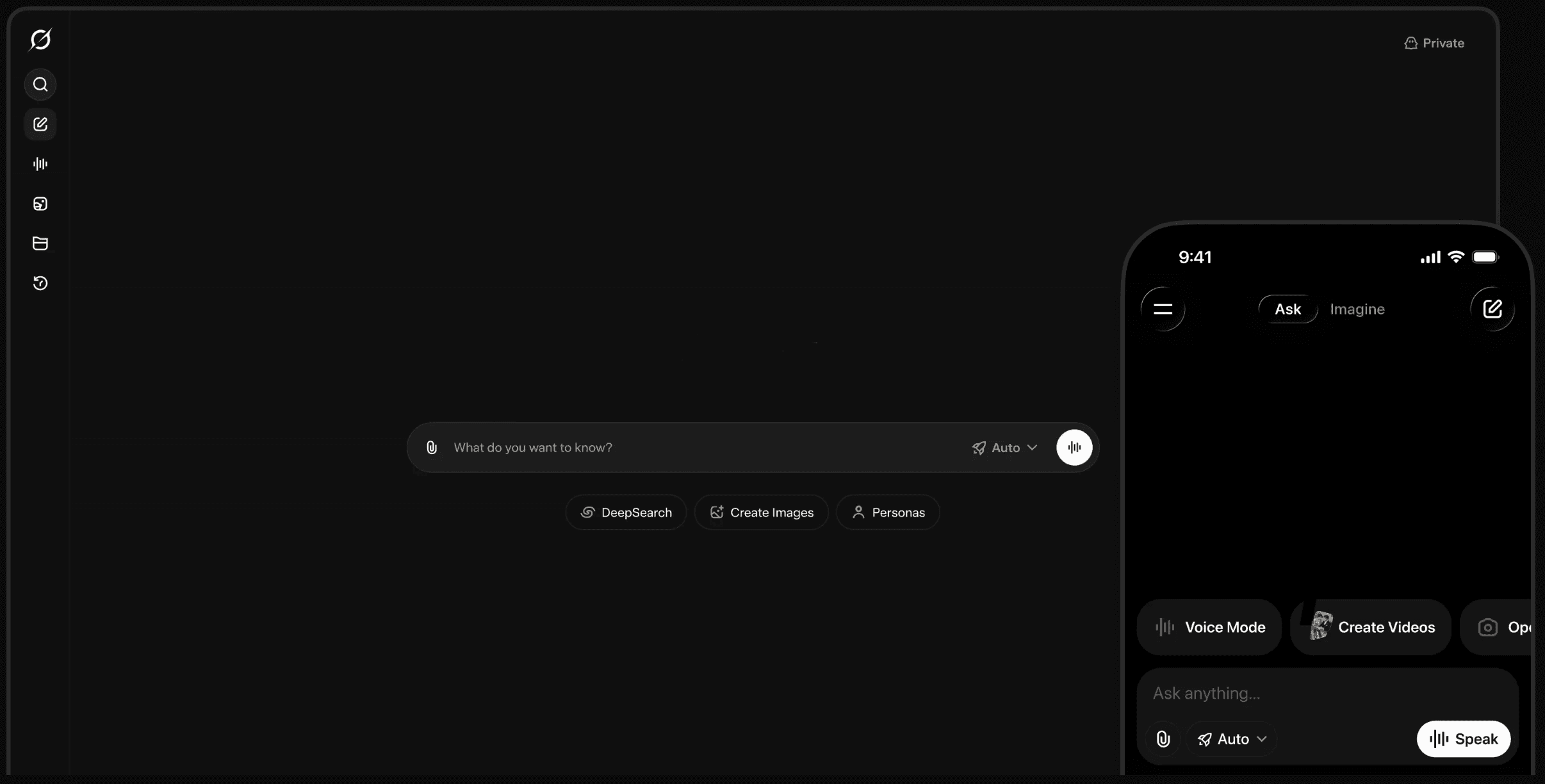
Talk with QJS
Engage in seamless conversations with QJS Voice, experiencing natural, fluid dialogue like never before.
Never Miss a Point Again
Our AI captures every key idea, decision, and task automatically — so you can stay focused on the discussion, not the typing.
Voice Assitant
Speaker
Transcript
4:20
4:20
Anwar Raza
I’ve been reviewing the AI note summary logic, and I think it’s too focused on individual sentences rather than themes. For example, when someone discusses three points under the same topic, it still breaks them into separate highlights. It looks fragmented in the recap. I’d rather have it group related ideas together — maybe through semantic clustering
4:20
Anwar Raza
I’ve been reviewing the AI note summary logic, and I think it’s too focused on individual sentences rather than themes. For example, when someone discusses three points under the same topic, it still breaks them into separate highlights. It looks fragmented in the recap. I’d rather have it group related ideas together — maybe through semantic clustering
1:05
Sarah
Yeah, I see what you mean. Right now, the summarizer is built to trigger whenever it detects a transition phrase, like “next,” “also,” or “another thing.” It’s good for structure but bad for flow. We can change that by using context windows — say, two minutes of dialogue — and summarize based on meaning overlap rather than sentence boundaries. That way, it understands we’re still under the same topic.
1:05
Sarah
Yeah, I see what you mean. Right now, the summarizer is built to trigger whenever it detects a transition phrase, like “next,” “also,” or “another thing.” It’s good for structure but bad for flow. We can change that by using context windows — say, two minutes of dialogue — and summarize based on meaning overlap rather than sentence boundaries. That way, it understands we’re still under the same topic.
Talk with QJS
Engage in seamless conversations with QJS Voice, experiencing natural, fluid dialogue like never before.
Never Miss a Point Again
Our AI captures every key idea, decision, and task automatically — so you can stay focused on the discussion, not the typing.
Voice Assitant
Speaker
Transcript
4:20
4:20
Anwar Raza
I’ve been reviewing the AI note summary logic, and I think it’s too focused on individual sentences rather than themes. For example, when someone discusses three points under the same topic, it still breaks them into separate highlights. It looks fragmented in the recap. I’d rather have it group related ideas together — maybe through semantic clustering
4:20
Anwar Raza
I’ve been reviewing the AI note summary logic, and I think it’s too focused on individual sentences rather than themes. For example, when someone discusses three points under the same topic, it still breaks them into separate highlights. It looks fragmented in the recap. I’d rather have it group related ideas together — maybe through semantic clustering
1:05
Sarah
Yeah, I see what you mean. Right now, the summarizer is built to trigger whenever it detects a transition phrase, like “next,” “also,” or “another thing.” It’s good for structure but bad for flow. We can change that by using context windows — say, two minutes of dialogue — and summarize based on meaning overlap rather than sentence boundaries. That way, it understands we’re still under the same topic.
1:05
Sarah
Yeah, I see what you mean. Right now, the summarizer is built to trigger whenever it detects a transition phrase, like “next,” “also,” or “another thing.” It’s good for structure but bad for flow. We can change that by using context windows — say, two minutes of dialogue — and summarize based on meaning overlap rather than sentence boundaries. That way, it understands we’re still under the same topic.
Talk with QJS
Engage in seamless conversations with QJS Voice, experiencing natural, fluid dialogue like never before.
Never Miss a Point Again
Our AI captures every key idea, decision, and task automatically — so you can stay focused on the discussion, not the typing.
Voice Assitant
Speaker
Transcript
4:20
4:20
Anwar Raza
I’ve been reviewing the AI note summary logic, and I think it’s too focused on individual sentences rather than themes. For example, when someone discusses three points under the same topic, it still breaks them into separate highlights. It looks fragmented in the recap. I’d rather have it group related ideas together — maybe through semantic clustering
4:20
Anwar Raza
I’ve been reviewing the AI note summary logic, and I think it’s too focused on individual sentences rather than themes. For example, when someone discusses three points under the same topic, it still breaks them into separate highlights. It looks fragmented in the recap. I’d rather have it group related ideas together — maybe through semantic clustering
1:05
Sarah
Yeah, I see what you mean. Right now, the summarizer is built to trigger whenever it detects a transition phrase, like “next,” “also,” or “another thing.” It’s good for structure but bad for flow. We can change that by using context windows — say, two minutes of dialogue — and summarize based on meaning overlap rather than sentence boundaries. That way, it understands we’re still under the same topic.
1:05
Sarah
Yeah, I see what you mean. Right now, the summarizer is built to trigger whenever it detects a transition phrase, like “next,” “also,” or “another thing.” It’s good for structure but bad for flow. We can change that by using context windows — say, two minutes of dialogue — and summarize based on meaning overlap rather than sentence boundaries. That way, it understands we’re still under the same topic.
Summary
Sarah and Mark discussed improving the AI meeting assistant’s summarization system. Sarah noted that the current model breaks related ideas into separate highlights, making recaps feel fragmented. Mark explained the summarizer’s current logic and suggested using larger context windows to group related topics. They agreed to implement semantic clustering and link summaries to specific time ranges for better interactivity. Mark also proposed adding topic-based color segments on the transcript timeline.

Sarah Lee
00:10
Hey everyone, let’s start with last week’s updates.

Riley Aliet
00:30
The new dashboard layout is live, added AI note summary and action item tags.

Mark
00:57
Fixed the mobile scroll bug, all smooth now.

Tom
01:01
That’s on track for today, just final testing on usage metrics.
Summary
Sarah and Mark discussed improving the AI meeting assistant’s summarization system. Sarah noted that the current model breaks related ideas into separate highlights, making recaps feel fragmented. Mark explained the summarizer’s current logic and suggested using larger context windows to group related topics. They agreed to implement semantic clustering and link summaries to specific time ranges for better interactivity. Mark also proposed adding topic-based color segments on the transcript timeline.
Sarah Lee
00:10
Hey everyone, let’s start with last week’s updates.
Riley Aliet
00:30
The new dashboard layout is live, added AI note summary and action item tags.
Mark
00:57
Fixed the mobile scroll bug, all smooth now.
Tom
01:01
That’s on track for today, just final testing on usage metrics.
Find meaning with QJS Think
The most powerful version of Qjs. Now available with a QJS4 Heavy subscription on all platforms.
Never Miss a Point Again
Our AI captures every key idea, decision, and task automatically — so you can stay focused on the discussion, not the typing.
Summary
Sarah and Mark discussed improving the AI meeting assistant’s summarization system. Sarah noted that the current model breaks related ideas into separate highlights, making recaps feel fragmented. Mark explained the summarizer’s current logic and suggested using larger context windows to group related topics. They agreed to implement semantic clustering and link summaries to specific time ranges for better interactivity. Mark also proposed adding topic-based color segments on the transcript timeline.
Sarah Lee
00:10
Hey everyone, let’s start with last week’s updates.
Riley Aliet
00:30
The new dashboard layout is live, added AI note summary and action item tags.
Mark
00:57
Fixed the mobile scroll bug, all smooth now.
Tom
01:01
That’s on track for today, just final testing on usage metrics.
Summary
Sarah and Mark discussed improving the AI meeting assistant’s summarization system. Sarah noted that the current model breaks related ideas into separate highlights, making recaps feel fragmented. Mark explained the summarizer’s current logic and suggested using larger context windows to group related topics. They agreed to implement semantic clustering and link summaries to specific time ranges for better interactivity. Mark also proposed adding topic-based color segments on the transcript timeline.
Sarah Lee
00:10
Hey everyone, let’s start with last week’s updates.
Riley Aliet
00:30
The new dashboard layout is live, added AI note summary and action item tags.
Mark
00:57
Fixed the mobile scroll bug, all smooth now.
Tom
01:01
That’s on track for today, just final testing on usage metrics.
Summary
Sarah and Mark discussed improving the AI meeting assistant’s summarization system. Sarah noted that the current model breaks related ideas into separate highlights, making recaps feel fragmented. Mark explained the summarizer’s current logic and suggested using larger context windows to group related topics. They agreed to implement semantic clustering and link summaries to specific time ranges for better interactivity. Mark also proposed adding topic-based color segments on the transcript timeline.
Sarah Lee
00:10
Hey everyone, let’s start with last week’s updates.
Riley Aliet
00:30
The new dashboard layout is live, added AI note summary and action item tags.
Mark
00:57
Fixed the mobile scroll bug, all smooth now.
Tom
01:01
That’s on track for today, just final testing on usage metrics.
Public beta
We're running a public beta program until the end of 2025. To kick things off, we make an early version of a next-gen model available under the name High Potentials-beta. The model offers function calling, a 128k context length, and system prompt support.

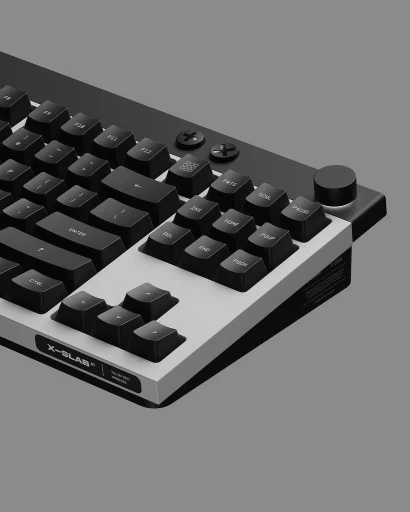
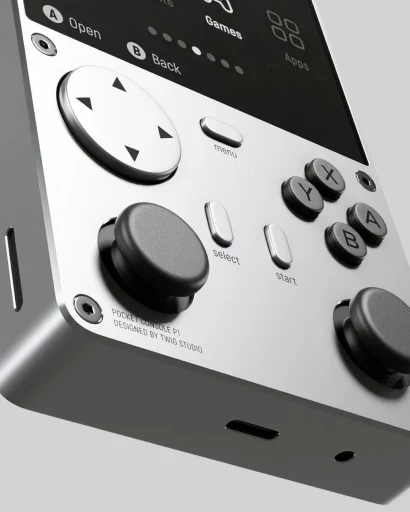
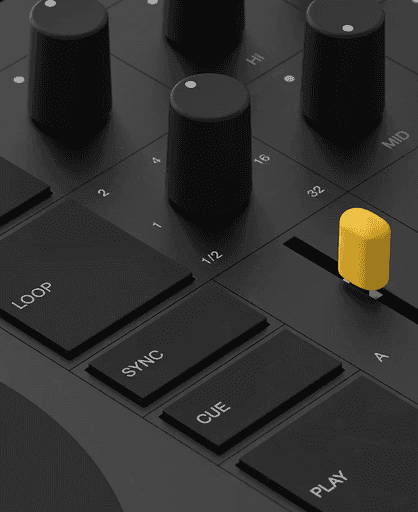
Transform text into visual realities








Super Quantum Javascript
Flerto Process
Do more with QJS.
Unlock a Qjs subscription on quantumjavascript.com.
We've just launched SuperQJS Heavy, providing access to Qjs Heavy and much higher rate limits.
Super Quantum Javascript
Flerto Process
Do more with QJS.
Unlock a Qjs subscription on quantumjavascript.com.
We've just launched SuperQJS Heavy, providing access to Qjs Heavy and much higher rate limits.
Super Quantum Javascript
Flerto Process
Do more with QJS.
Unlock a Qjs subscription on quantumjavascript.com.
We've just launched SuperQJS Heavy, providing access to Qjs Heavy and much higher rate limits.
Quantum Java Script
Lorem Ipsum
Copyright © 2024 – All Right Reserved
Quick Links
Quantum Java Script
Lorem Ipsum
Copyright © 2024 – All Right Reserved
Quick Links
Quantum Java Script
Lorem Ipsum
Copyright © 2024 – All Right Reserved
Quick Links